Grape and Apple Jam Without Added Sugar
This grape and apple jam is a beautiful way to preserve the flavors of the grape harvest without adding refined sugar. Freshly pressed grape juice gives it natural sweetness and a rich color, while apples give it a fruity texture and make the flavor a little gentler.
Read this recipe in Slovenian →
When the grape harvest begins here and lines of cars and tractors start winding toward the vineyards of the Lendava Hills early in the morning, I don’t think only of grapes and homemade juice. From now on, this time of year will always remind me of Zorica too.
It was during the grape harvest that my little cat girl came into my life, and since then the beginning of fall has held another very special meaning for me.
This year the first early-morning tractors reminded me of two things: that Zorica has already been with me for a year, and that it’s once again time to make grape and apple jam.
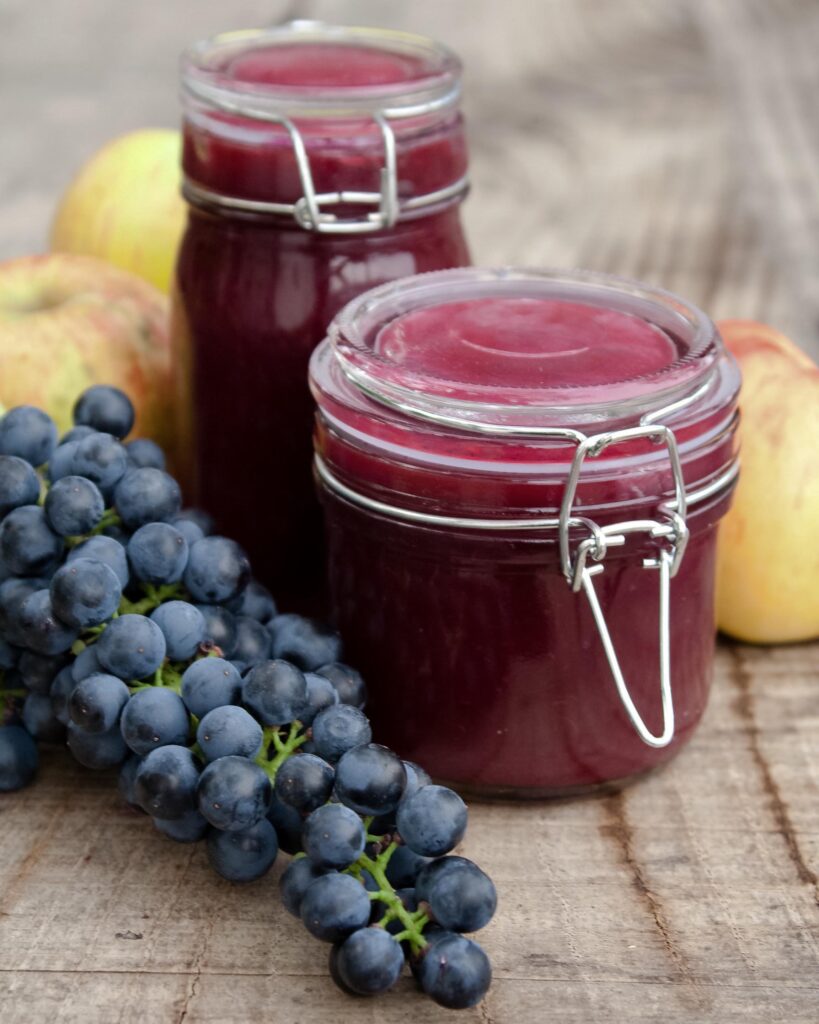
A homemade jam sweetened only with fruit
Grapes are wonderfully sweet, and when we have them in abundance, we turn them into homemade grape juice. The juice isn’t only delicious to drink. It’s also a natural way to sweeten all kinds of dishes.
This time I combined freshly pressed dark grape juice with homegrown apples. The grape juice brings the sweetness and the beautiful color, while the apples add fruity texture and a slightly gentler flavor.
I usually call it simply grape jam, but its base is actually grape juice, and the apples provide the fruit pulp. That gives the jam a pleasantly spreadable consistency and a full fruit flavor, while making it a little milder than a jam made from grapes alone.
I thicken it with agar agar, so there’s no need for jam sugar. The jam has no added sugar or other sweeteners, although it naturally contains the sugars from the grapes and apples.
What makes this grape and apple jam different?
In traditional jam recipes, sugar does more than sweeten. It also helps the jam set and plays an important part in preserving it.
Here, freshly pressed grape juice provides the sweetness, while apples add fruit pulp and give the jam a familiar, spreadable texture.
If we thickened grape juice on its own, we’d get something closer to a sweet fruit jelly. The apples soften the intense grape flavor and turn it into a jam that’s easy to spread on bread, pancakes, cakes or warm breakfast dishes.
Apples naturally contain pectin, but with this much grape juice their pectin may not be enough for a reliably thick jam. That’s why I also add agar agar.
This homemade grape and apple jam has only three basic ingredients:
- freshly pressed grape juice,
- apples,
- agar agar.
There’s no added sugar, artificial sweetener or commercial jam sugar. The final color, sweetness and flavor will depend largely on the grapes you use.
Is this jam really sugar-free?
On Naturally Indulgent, when I say a dessert or preserve is made without added sugar, I mean that no refined sugar or other sweetener has been added to the recipe.
That doesn’t mean the finished jam contains no sugar at all. Grapes and apples both naturally contain sugars. Grapes can be very sweet, which is exactly why their juice works so well as a natural sweetener here.
How sweet your jam turns out depends on the grape variety and how ripe the fruit is. Very ripe, naturally sweet grapes make a much sweeter jam than grapes that are still a little tart.
So the most accurate description is grape and apple jam without added sugar. It contains the sugars naturally present in the fruit, but no processed or refined sugar is added.
Is this jam suitable for people with diabetes?
A recipe without added sugar doesn’t necessarily have no effect on blood sugar.
Both grapes and apples contain natural sugars, and grape juice is a concentrated source of them. For that reason I can’t say this jam is automatically suitable for everyone with diabetes. Whether and how much of it you can include depends on your own dietary needs, the portion size, the rest of your meal and how you manage your blood sugar.
If you have diabetes or another condition that needs careful control of carbohydrates, talk to your doctor or a registered dietitian for personal guidance.
What kind of grapes should you use?
For the jam in these photos I used homegrown dark grapes. I don’t know the exact name of the variety. My neighbor calls it Hungarian festőszőlő, a name for grapes with intensely colored juice. It’s an old, hardy vine that grows without spraying and gives us an abundant harvest almost every year.
You can make the jam with any ripe, sweet, dark grapes. The most important thing is that you enjoy the flavor of their juice, because there’s no extra sweetener to hide or change it.
Taste the freshly pressed juice before you start. If it tastes pleasantly sweet and aromatic, it will usually make a flavorful jam. If the grapes are underripe or very tart, the jam will be less sweet too.
Can you make this jam with Jurka grapes?
Yes. Jurka is a highly aromatic dark grape commonly grown in this region, and it works well here. Because it has such a distinctive aroma, the jam will have a stronger, more recognizable grape flavor, which can be especially delicious if you love it.
If your grapes have seeds, press or crush the fruit and strain the juice carefully. Only the juice goes into the jam. Don’t blend the seeds too aggressively, because crushed seeds can make the juice bitter or astringent.
Light-colored grapes work too. The jam will be paler and may taste gentler, but the method is the same. I personally prefer dark, aromatic varieties for their beautiful color and fuller grape flavor.
How to make grape juice for jam
I make this jam with freshly pressed, strained grape juice. A juicer is the simplest option, but you can also make the juice with a blender or by gently heating and crushing the grapes in a saucepan.
Before you begin, wash the grapes well, take the berries off their stems and discard any fruit that’s damaged, moldy, sour-smelling or starting to ferment.
Using a juicer
Run the clean, destemmed grapes through your juicer. Strain the juice if it has pieces of skin, pulp or seeds in it, then measure out the amount you need for the recipe.
Using a blender
Pulse the grapes briefly, just enough to release the juice. Don’t blend for long, especially if the grapes have seeds, because breaking the seeds can make the juice bitter or astringent.
Pour the mixture through a fine-mesh sieve and press it gently with the back of a spoon. You want the juice, without forcing too much pulp or crushed seed through.
Without a juicer or blender
Put the grapes in a large saucepan and heat them slowly over low heat. As the fruit softens, mash it a few times with a potato masher or a large spoon to help the juice flow.
Strain the softened grapes through a fine-mesh sieve, taking care not to crush the seeds. Measure out 2 liters (about 8½ cups) of strained juice.
Why add apples to grape juice?
Grape juice on its own would give you something closer to a fruit jelly. Apples add pulp and give the mixture the thicker, softer texture we expect from jam. They also balance the sweetness and strong aroma of the grapes.
You can use almost any variety. Tart apples are especially useful when your grapes are very sweet, while sweeter apples make a milder, naturally sweeter jam.
Peel and core the apples before weighing them, then cut them into smaller pieces so they soften evenly while cooking.
Apples contain pectin, but the proportion of juice to fruit in this recipe is high. Agar agar helps the jam set more reliably without added sugar.
What is agar agar?
Agar agar is a plant-based gelling ingredient made from seaweed. You can use it to thicken jams, fruit spreads, creams and puddings without gelatin or commercial jam sugar. Despite where it comes from, it doesn’t give the jam any seaweed flavor.
It’s usually sold as a powder, and you’ll often find it in the baking section, the natural foods section or online. Different brands have different gelling strengths, so always check the instructions on your package too.
How to use agar agar correctly
Always whisk agar agar into cold liquid before you heat it. Adding it straight to a hot mixture can make it lumpy.
It needs to come to a boil to activate properly, so cook it for as long as the recipe and the packaging say.
Don’t worry if the hot jam still looks quite fluid. Agar agar thickens as it cools, so you can’t judge the final consistency while the jam is hot. If you add more agar just because the hot mixture looks thin, the cooled jam can turn out too firm and jelly-like.
If you’re using a particular agar agar powder for the first time, put a small spoonful of the cooked jam on a cold plate and let it cool completely. That gives you a good idea of the final consistency. Once you find a product and amount that give you the texture you like, use the same combination next time.
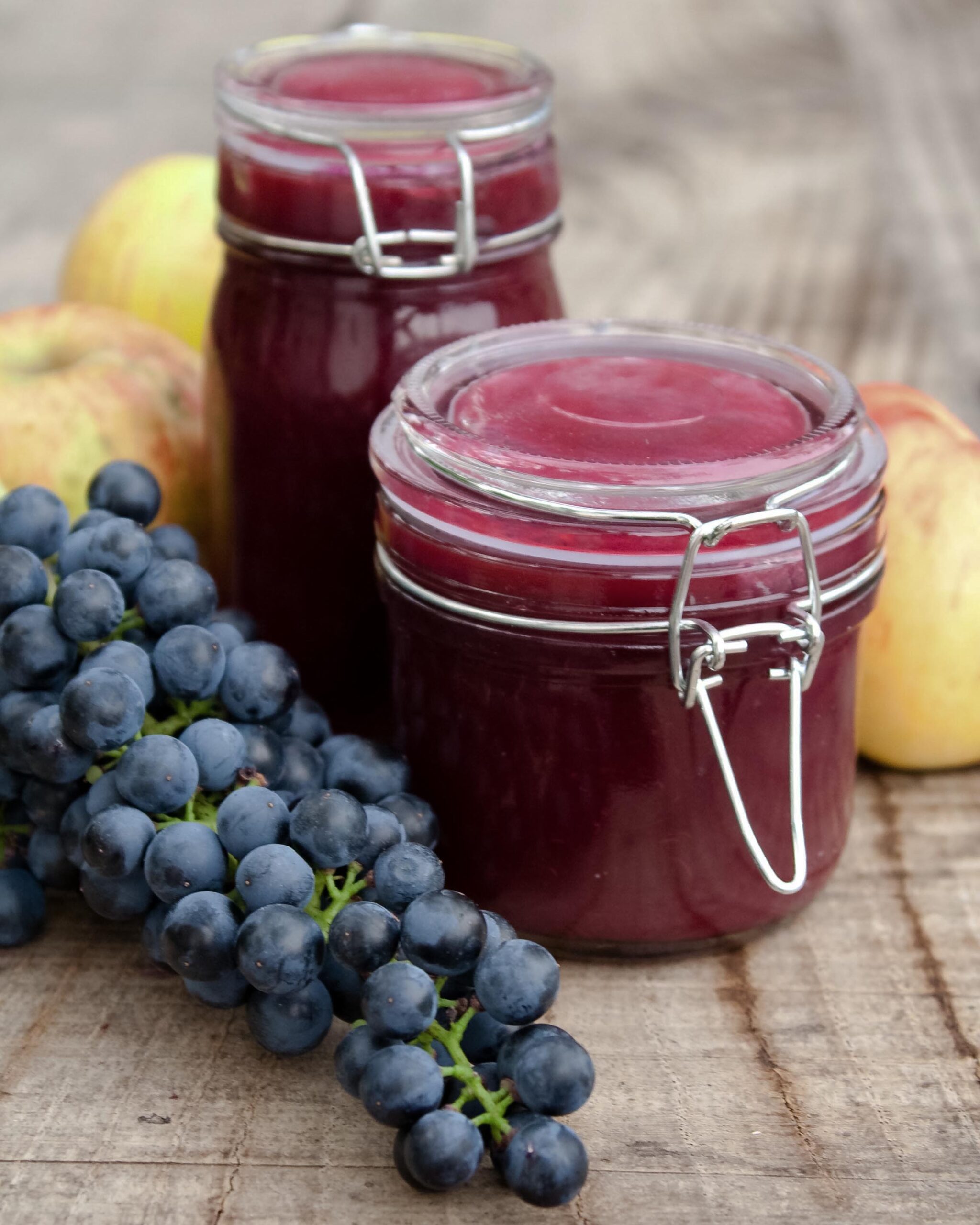
Grape and Apple Jam Without Added Sugar
Ingredients
- 2 liters freshly pressed and strained dark grape juice
- 1 kilogram peeled and cored apples
- 6 teaspoons powdered agar agar or the amount recommended by the manufacturer for this volume of liquid
Instructions
- Wash the grapes thoroughly and remove the berries from their stems. Discard any damaged, moldy, sour-smelling, or fermented fruit.
- Run the grapes through a juicer and strain the juice to remove any remaining pieces of skin, pulp, or seeds.
- Measure 2 liters of strained grape juice.
- If you do not have a juicer, briefly pulse the grapes in a blender and strain them through a fine-mesh sieve. Avoid crushing the seeds, as they may give the juice a bitter or astringent flavor.
- Alternatively, place the grapes in a large pot and heat them slowly over low heat. Mash them several times as they soften and then strain the released juice through a fine-mesh sieve.
- Peel and core the apples. Cut them into smaller pieces and weigh 1 kg of prepared apples.
- Pour the cold grape juice into a large pot.
- Add the agar agar to the cold juice and whisk thoroughly until it is evenly distributed and no lumps remain.
- Add the chopped apples and begin heating the mixture. Stir occasionally to prevent the fruit from sticking to the bottom of the pot.
- Bring the mixture to a boil.
- Once boiling, cook for approximately 5 minutes, or for the amount of time recommended on the agar agar package. Continue cooking until the apples are soft. Extend the cooking time slightly if necessary.
- Carefully blend the mixture with an immersion blender until smooth.
- Stir the jam thoroughly and bring it back to a brief boil if required by the instructions for your agar agar.
- If you would like to check the consistency, place a teaspoon of jam on a cold plate and allow it to cool completely. Remember that the jam will remain fairly fluid while hot and will thicken as it cools.
- Pour the hot jam into completely clean jars and fill them all the way to the top.
- Close the jars tightly.
- Place the jars in a deep baking tray and pour some water into the bottom of the tray.
- Place the tray in the oven and pasteurize the jars at 80°C for 30 minutes.
- Turn off the oven and allow the jars to cool slowly inside the closed oven. Alternatively, wrap the jars in a blanket and leave them to cool gradually.
- Once the jars have cooled completely, check that they are properly sealed and store them in a cool, dark, and dry place.
Notes
- Always whisk the agar agar into the cold grape juice before heating it.
- Agar agar must be brought to a boil to activate.
- The hot jam will remain fairly fluid and will thicken as it cools.
- Different brands of agar agar may have different gelling strengths, so also follow the instructions on the package.
- You can use slightly less agar agar for a softer jam or slightly more for a firmer consistency.
- Once you find the product and quantity that give you the texture you like, use the same combination the next time you prepare the jam.
- You can use Jurka grapes or another ripe, sweet, and aromatic dark grape variety.
- Light-colored grapes can also be used, although the jam will have a paler color and milder flavor.
- The sweetness of the jam will depend on the grape variety and how ripe the grapes are.
- This jam contains no added sugar, but it does contain the sugars naturally present in grapes and apples.
- Once opened, keep the jam in the refrigerator and use it within a short period of time. I prefer using smaller jars because the contents are usually eaten within one or two weeks.
How to store grape and apple jam
Store the pasteurized, completely cooled jars in a dark, dry place that’s as cool as possible. Before putting them in the pantry, check that the lids have sealed properly.
Prepared this way and left unopened, the jam keeps in my pantry for several years. Once a jar is open, keep it in the fridge and use the jam as soon as you can. That’s why I like filling smaller jars: an opened jar doesn’t take weeks to finish and is easily used up within a week or two.
If a jar is no longer properly sealed, the lid has lifted, or the jam looks, smells or tastes unusual, don’t use it.
Ways to use grape and apple jam
This jam is delicious anywhere you’d normally use a fruit spread. Try it:
- on toast or freshly baked bread,
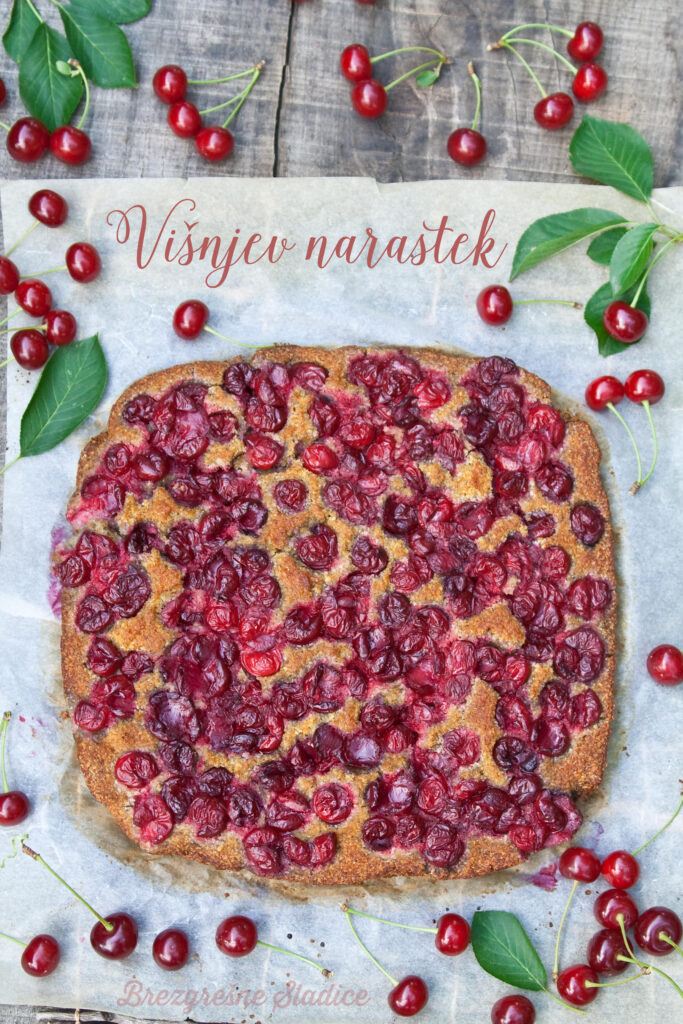
- with a cornmeal bake, like my gluten-free sour cherry bake,
- on spelt pancakes or gluten-free millet pancakes,
- as a filling for sweet rolls,
- in Linzer-style cookies,
- stirred into warm oatmeal or millet porridge,
- with plant-based yogurt,
- over vanilla millet pudding,
- between the layers of a sponge cake,
- or simply by the spoonful when you want something naturally sweet.
The flavor changes a little depending on the grapes and apples you use, so every batch is slightly different.
Grape and apple jam FAQ
Can I use light-colored grapes?
Yes. The jam will be lighter in color and probably a bit milder in flavor, but the method stays the same. The key is to use grapes that are ripe and sweet enough, since no sugar or other sweetener is added.
How can I make the jam without a juicer?
Blend the grapes briefly in a blender and strain them through a fine-mesh sieve, taking care not to crush the seeds, which can add bitterness. Or heat the grapes slowly in a pot, mash them as they warm and release their juice, and then strain.
Why is the jam still runny while it’s hot?
Agar agar doesn’t fully thicken the jam until it cools, so right after cooking it will still be quite runny. Before adding more agar, put a small spoonful of jam on a cold plate and let it cool, then check the final consistency.
Can I leave out the agar agar?
Yes, but the result will be much thinner, closer to a fruit sauce or thick purée than a classic spreadable jam. To make it without agar agar, you’d need to adjust the ratio of grape juice to apples and cook it longer.
How long can I store the jam?
I’ve stored jam prepared and pasteurized this way in a dark, dry, cool place for years, and it keeps for several years. Before putting a jar in the pantry, check that it’s properly sealed. Once opened, keep it in the fridge and use it as soon as you can.
Let your kitchen smell like grape jam
If you have more grapes than you can eat, this jam is a lovely way to turn part of the harvest into something you can enjoy long after grape season is over.
You can make it with Jurka grapes or another sweet, aromatic variety. Taste the juice before you begin, and adjust the agar agar to the product you’re using and the consistency you like. Every grape variety makes a slightly different jam, and that’s part of what makes homemade preserves so special.
If you try the recipe, tell me which grapes you used, how the jam turned out and what you like to serve it with.
How did your jam turn out?
Did you make this grape and apple jam without added sugar? I’d love to see it! Send a photo to hello@naturallyindulgent.com and tell me which grape variety you used and how you liked it.
By sending a photo, you agree that I may publish it on the Naturally Indulgent website.
More fruit recipes worth trying
Recipes marked (Slovenian) haven’t been translated yet.
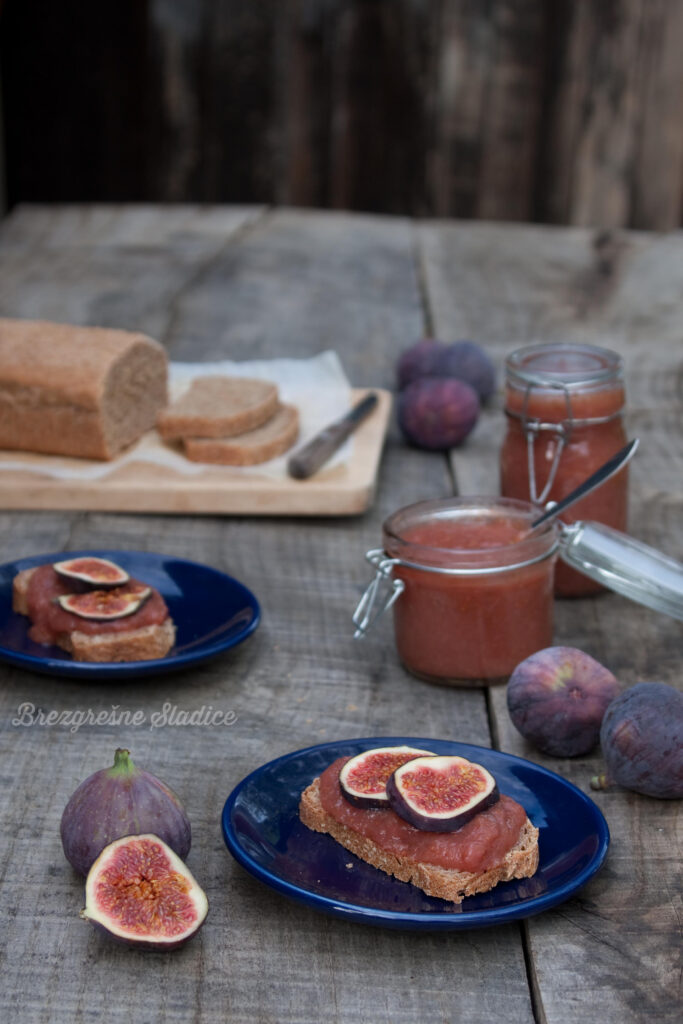
Fig Jam Without Added Sugar
Apple Millet Breakfast Bake