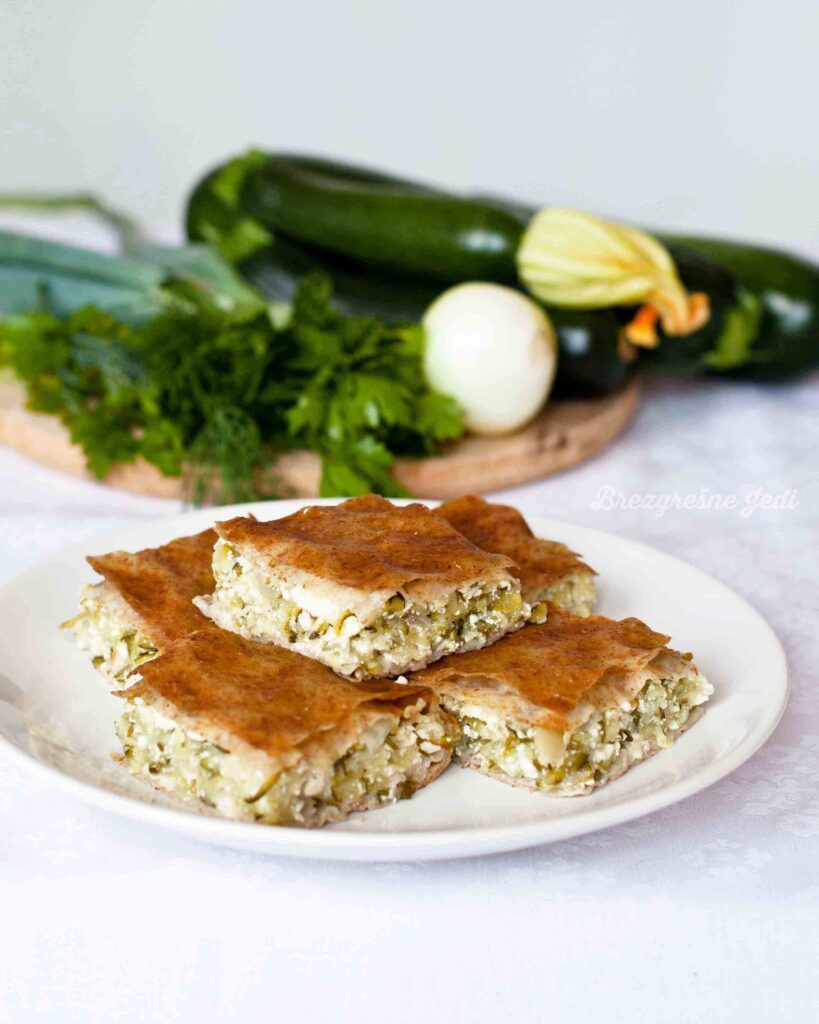
Greek Zucchini Pie (Vegan Kolokithopita)
This Greek zucchini pie, known in Greece as kolokithopita, is a light, juicy vegetable pie made with flaky phyllo pastry. Grated zucchini, fresh herbs and a creamy filling come together in a dish that’s perfect for lunch, dinner or a savory snack.
Read this recipe in Slovenian →
I discovered this recipe during the summers I spent in Greece. That’s where I realized Greek cooking is about much more than gyros and souvlaki. Everyday Greek food is full of simple dishes made from seasonal vegetables, generous handfuls of fresh herbs and good olive oil.
For my version of this traditional recipe, I made the filling completely plant-based. I swapped the feta for tofu and added a little coconut milk for creaminess. Don’t worry, the pie doesn’t taste like coconut. The coconut milk simply gives the filling the richness feta would, so the fresh Greek flavors stay center stage.
What makes Greek zucchini pie so special?
I’ve spent several summers in Greece, and that’s where I got to know much more of its everyday cooking. Many visitors think of gyros, souvlaki and moussaka, but Greek home cooking often revolves around simple dishes made with seasonal vegetables.
Those were the dishes that impressed me most. They show that you don’t need a long list of ingredients to make a wonderful meal. You just need fresh, good-quality ingredients and the right combination of flavors.
Pies made with thin layers of phyllo are especially popular. They’re filled with spinach, wild greens, leeks, pumpkin or zucchini, and you’ll find them in almost every Greek bakery. Just as people in Slovenia might grab a slice of burek for a quick meal, Greeks often have a piece of savory pie for breakfast, as a snack or for a simple lunch. These pies are part of everyday life, not just special occasions.
One of the things I love most about Greek zucchini pie is the generous use of fresh herbs. In Slovenia, zucchini is most often seasoned with garlic and parsley. Greek recipes, however, often add both dill and mint.
That combination gives kolokithopita its distinctive flavor. The pie tastes fresh and fragrant, and far more interesting than you’d expect from such simple ingredients.
The most surprising thing is that many visitors to Greece never come across these pies at all. Restaurants tend to focus on the best-known dishes, while vegetable pies are more often made at home or bought from a neighborhood bakery. In my opinion, kolokithopita deserves a lot more attention.
How I make vegan kolokithopita
Traditional Greek kolokithopita usually contains feta, which gives the filling its saltiness, richness and creamy texture. Since I wanted a completely plant-based version, I replaced it with tofu.
I soon found out that tofu isn’t a direct swap for feta, though. It crumbles nicely and looks similar, but it has much less fat. On its own, it can make the filling a bit dry and not as creamy.
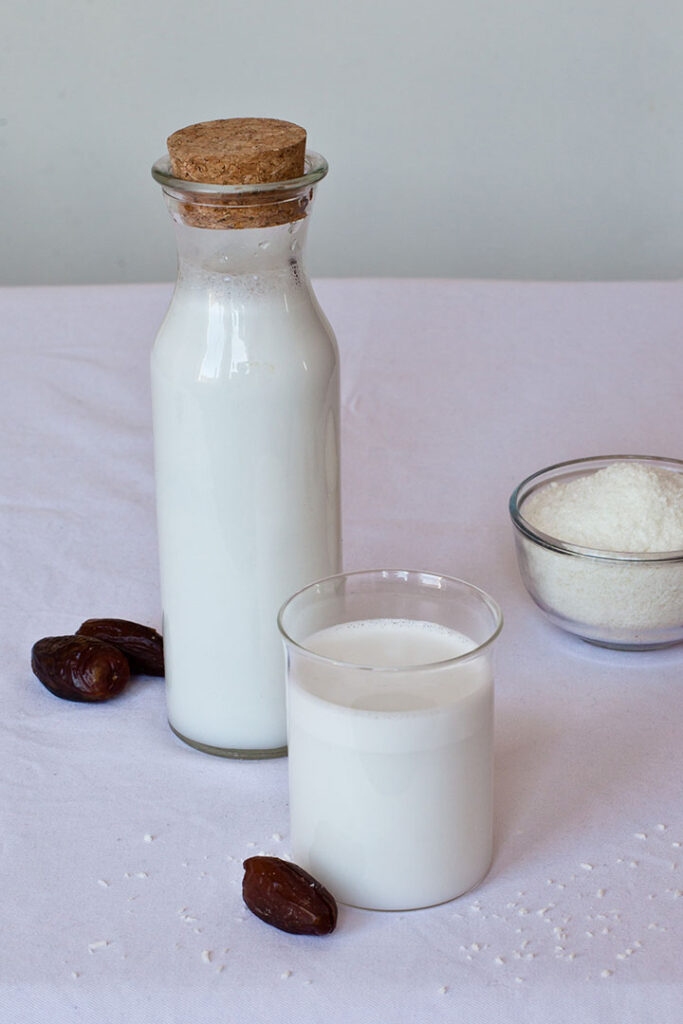
That’s why I add a small amount of coconut milk. It doesn’t give the pie a coconut flavor. It just adds the creamy texture feta gives in the traditional version.
If you make your own coconut milk, you can use that too. Homemade coconut milk is usually thinner than canned, so make it ahead and chill it. Once it’s cold, scoop the thicker, richer layer from the top and use that in the filling.
Why you should squeeze the water out of the zucchini
If you look at traditional Greek recipes, you’ll notice that most of them tell you to let the grated zucchini rest for an hour or two before making the filling. During that time the zucchini releases a lot of liquid, which you then squeeze out.
I’ll admit that the first time I made this pie, I skipped that step because I was in a hurry. It still tasted delicious, but the filling was much softer and wetter.
When I drain the zucchini properly before baking, the result is completely different. The filling is firmer, the pie slices more easily and the phyllo stays pleasantly crisp. In my experience, that extra step is worth the time.
Some of the zucchini’s vitamins and minerals end up in the liquid, so there’s no need to throw it away. If you like the flavor, you can drink it or use it when making vegetable stock.
Homemade or store-bought phyllo?
Good store-bought phyllo works perfectly well for kolokithopita, but I prefer to make my own whenever I have time. Homemade pastry has a special charm, because I can choose the ingredients myself and adapt it to my taste.
For my version I use whole-grain khorasan flour, which is often sold under the brand name Kamut. Its slightly buttery, nutty flavor goes beautifully with mild zucchini and aromatic herbs. It also has more fiber than refined white wheat flour, so the pastry is a little more wholesome. You can read more about it in my guide to kamut flour.
Why I roll the pastry instead of stretching it
I add a little apple cider vinegar and olive oil to the dough. The vinegar makes the rested dough more flexible and easier to roll thin, and the olive oil makes it nicer to work with and helps it turn beautifully crisp in the oven.
Many people feel intimidated by homemade phyllo, because they picture incredibly thin, almost see-through sheets stretched across a whole table by experienced bakers. For a long time I also believed that was the only proper way to do it.
Whole-grain khorasan dough behaves a little differently. Because of its gluten and the bran in it, it isn’t as elastic as dough made with refined white wheat flour, and it tears more easily when stretched. That’s why I roll it very thin with a rolling pin instead. In my experience, this works much better with whole-grain dough.
When to choose homemade or store-bought pastry
If you’re short on time or making the pie in a busy week, use good-quality store-bought phyllo and don’t feel guilty about it. I use it sometimes too. Making a nourishing homemade meal matters more than striving for perfection.
When I have a bit more time, though, I always go back to homemade pastry. Its flavor, its texture and the satisfaction of making it myself from carefully chosen ingredients make the extra effort worth it.
Now that you know what makes this Greek zucchini pie so special, it’s time to roll up your sleeves. I hope this recipe brings a little taste of everyday Greek cooking into your kitchen, and that kolokithopita becomes one of those dishes you come back to again and again.
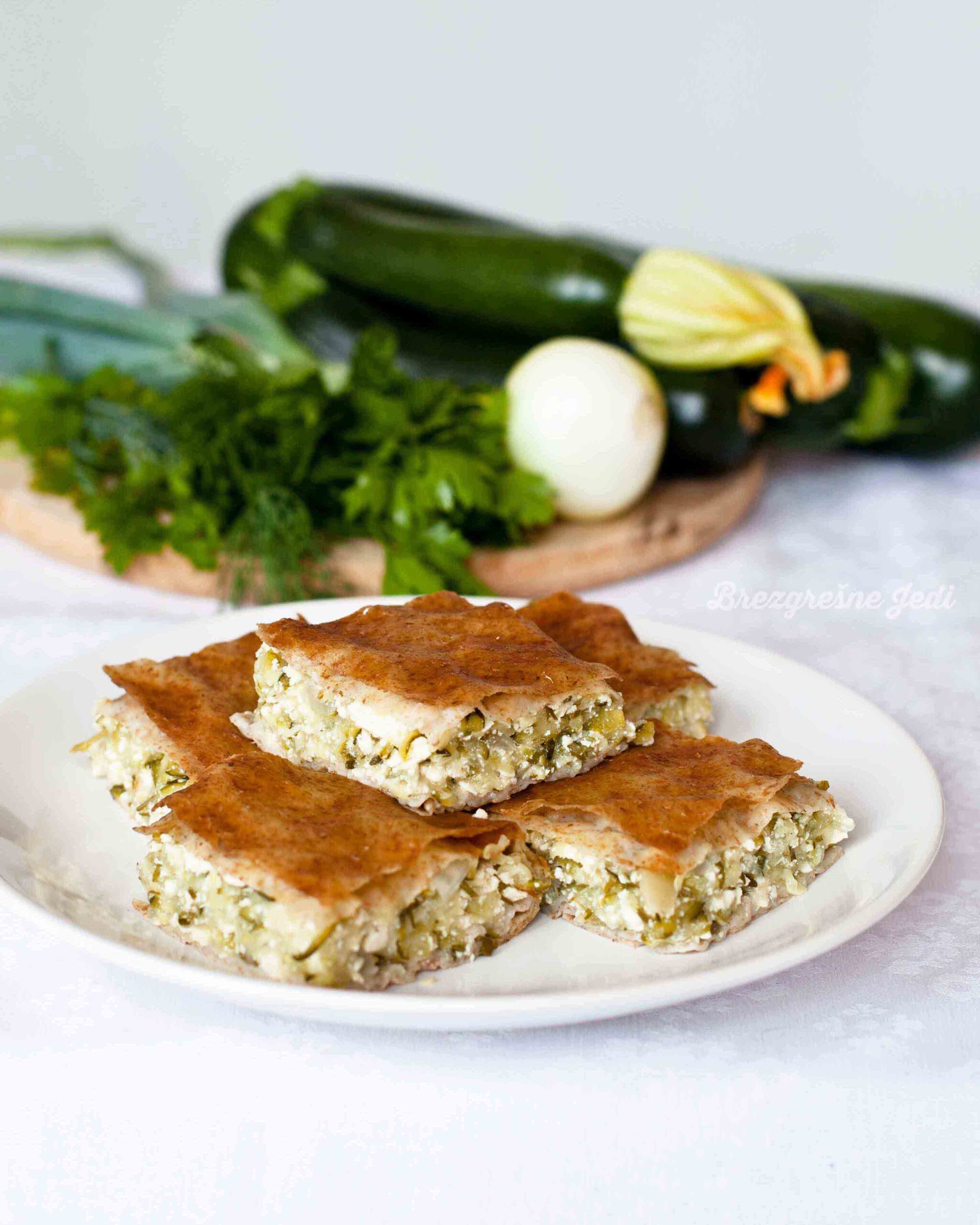
Greek Zucchini Pie (Vegan Kolokithopita)
Ingredients
- 150 g whole-grain khorasan flour
- ½ tbsp apple cider vinegar
- 1 pinch salt
- 1½ tbsp olive oil
- 50 –70 g water
- 1 kg zucchini
- 1 medium onion
- 200 g tofu
- 3 tbsp canned coconut milk
- ⅓ cup fresh parsley chopped
- 2 tbsp fresh dill chopped
- 10 fresh mint leaves chopped
- 1 tbsp nutritional yeast optional
- olive oil extra virgin
- salt to taste
Instructions
- Combine the flour, apple cider vinegar, salt and olive oil. Gradually add the water, beginning with 50 g. Add only as much additional water as needed to form a smooth, pliable dough.
- Knead the dough thoroughly, wrap it and leave it to rest in the refrigerator for at least 1 hour, or preferably overnight.
- Before using, divide the dough into two equal pieces. Roll each piece very thinly to fit the size of your baking dish.
- Coarsely grate the zucchini and leave it to rest for 1–2 hours. Using your hands, squeeze out as much excess liquid as possible.
- Finely chop the onion. Heat 1 tablespoon of olive oil in a pan and sauté the onion until soft and translucent.
- Crumble the tofu into a large bowl. Add the coconut milk and mix well.
- Add the drained zucchini, sautéed onion, parsley, dill, mint, nutritional yeast if using, and salt. Mix until evenly combined.
- Lightly grease a baking dish with olive oil. Place one layer of pastry on the bottom and spread the filling evenly over it. Cover with the second layer of pastry.
- Brush the surface with a little olive oil and pierce the pastry in several places with a fork. If desired, lightly score it into portions before baking.
- Bake at 180°C for 40–50 minutes, until the pie is crisp and golden brown.
- Leave the pie to rest for a few minutes before cutting so that it can cool slightly and the filling can firm up.
Notes
- Drain the zucchini thoroughly. After leaving it to rest for 1–2 hours, squeeze out as much liquid as possible so the filling does not become too wet.
- You can use homemade or store-bought phyllo pastry. If using store-bought pastry, you will need 2 large sheets cut in half.
- The pie is best served slightly cooled. It slices more neatly and the filling remains firmer.
- Fresh herbs make a noticeable difference. Dill, parsley and mint give the pie its characteristic Greek flavor, so I recommend using fresh herbs rather than dried whenever possible.
Greek zucchini pie FAQ
Can I make Greek zucchini pie a day ahead?
Yes. You can bake the pie a day ahead and keep it in the fridge. Before serving, reheat it in the oven at 160 to 170°C (320 to 340°F) for about 10 to 15 minutes so the pastry crisps up again.
Can I freeze Greek zucchini pie?
Yes. Let the pie cool completely, cut it into portions and freeze them in an airtight container. Thaw the pieces before serving, then reheat them in the oven so the pastry crisps up again.
Can I use dried herbs instead of fresh?
Fresh herbs give kolokithopita its signature flavor, so I recommend using them whenever you can. If you have to, dried herbs work too, but use a much smaller amount because their flavor is more concentrated.
Dill matters most here, since it’s one of the most recognizable flavors in Greek zucchini pie.
What can I use instead of tofu?
If you’re not making a vegan version, swap the tofu for the same amount of feta or another salty cheese.
For a vegan Greek zucchini pie, I recommend sticking with the tofu, because it gave the best result in this recipe.
Why is my Greek zucchini pie soggy?
Most often the zucchini wasn’t drained well enough. The pie can also turn soggy if it’s underbaked or if you slice it right out of the oven.
Let it rest for a few minutes before slicing. That lets the filling firm up while the pastry stays crisp.
How long can I store Greek zucchini pie?
Keep the pie in an airtight container in the fridge for up to 3 days. For the best texture, warm it briefly in the oven before serving so the phyllo turns crisp again.
Greek zucchini pies from your kitchens
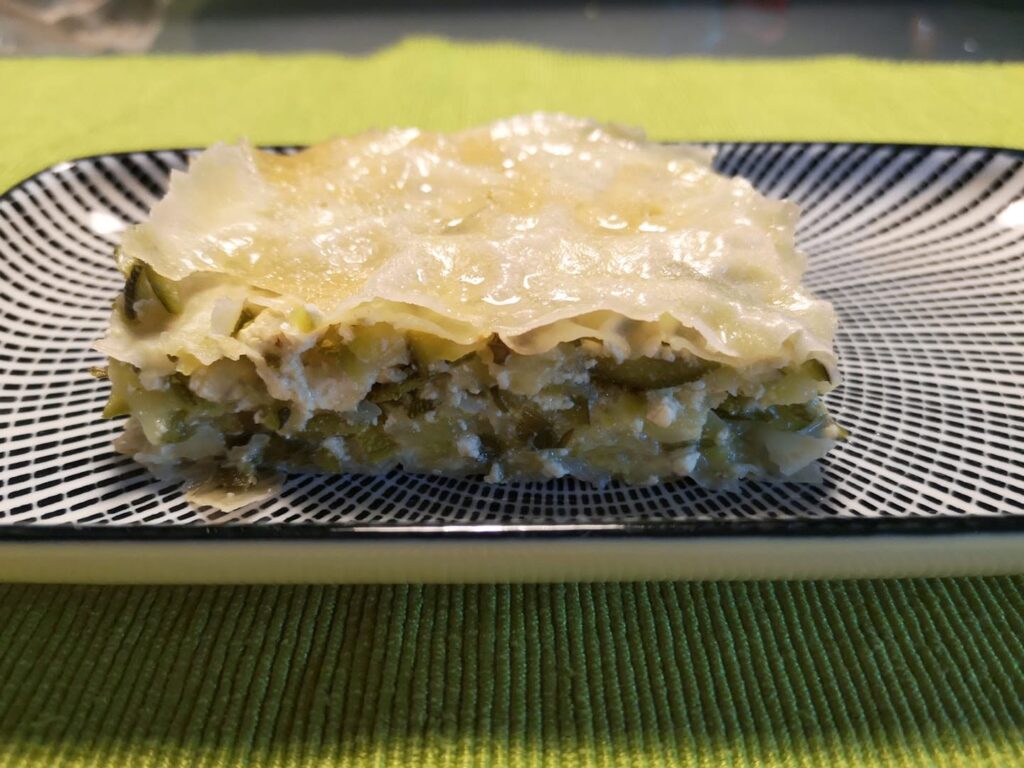 Valerija: Here is my GREEK ZUCCHINI PIE! 💖 I had to cut it while it was still hot. 😊
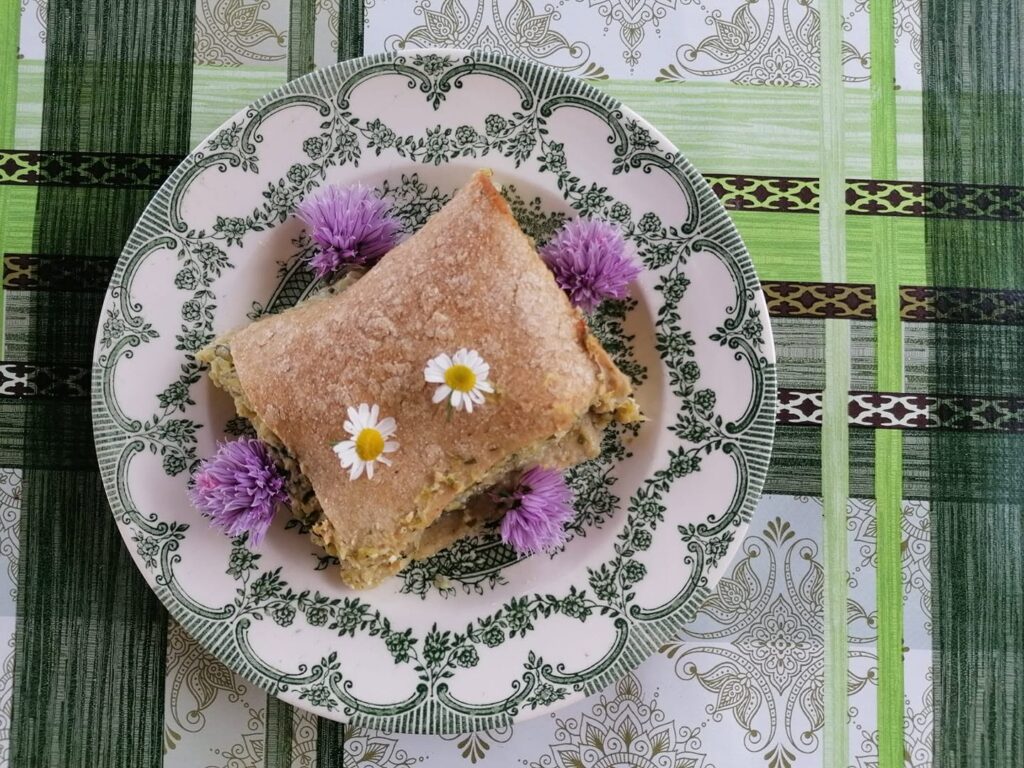 Mojca: Greek zucchini pie, kolokithopita. ❤️ P.S. Its name is much, much harder to pronounce than the pie is to make. 😃😍
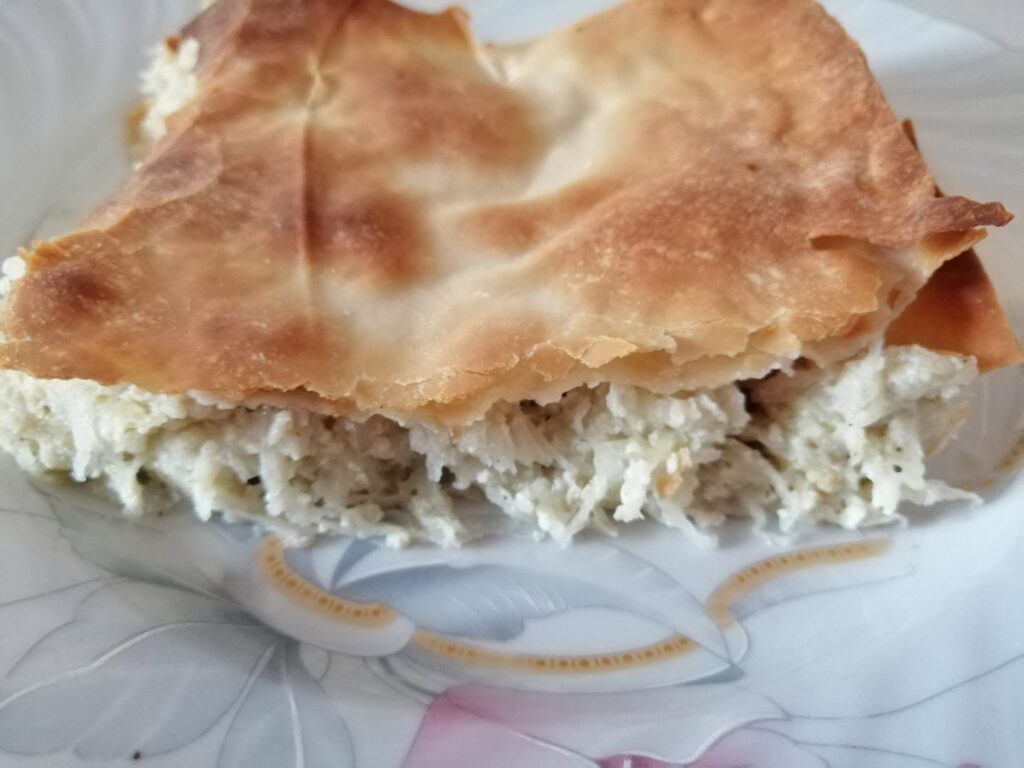 Jasna: Greek pie made with chayote.
Did you make this Greek zucchini pie?
Your Greek zucchini pie deserves a place in this gallery too. 💛
If you make this recipe, send me a photo at hello@naturallyindulgent.com. I love seeing my recipes come to life in your kitchens, and I’d be happy to add your photo to the gallery and inspire other readers.
By sending a photo, you agree that I may publish it on the Naturally Indulgent website.
You might also like
Recipes marked (Slovenian) haven’t been translated yet.
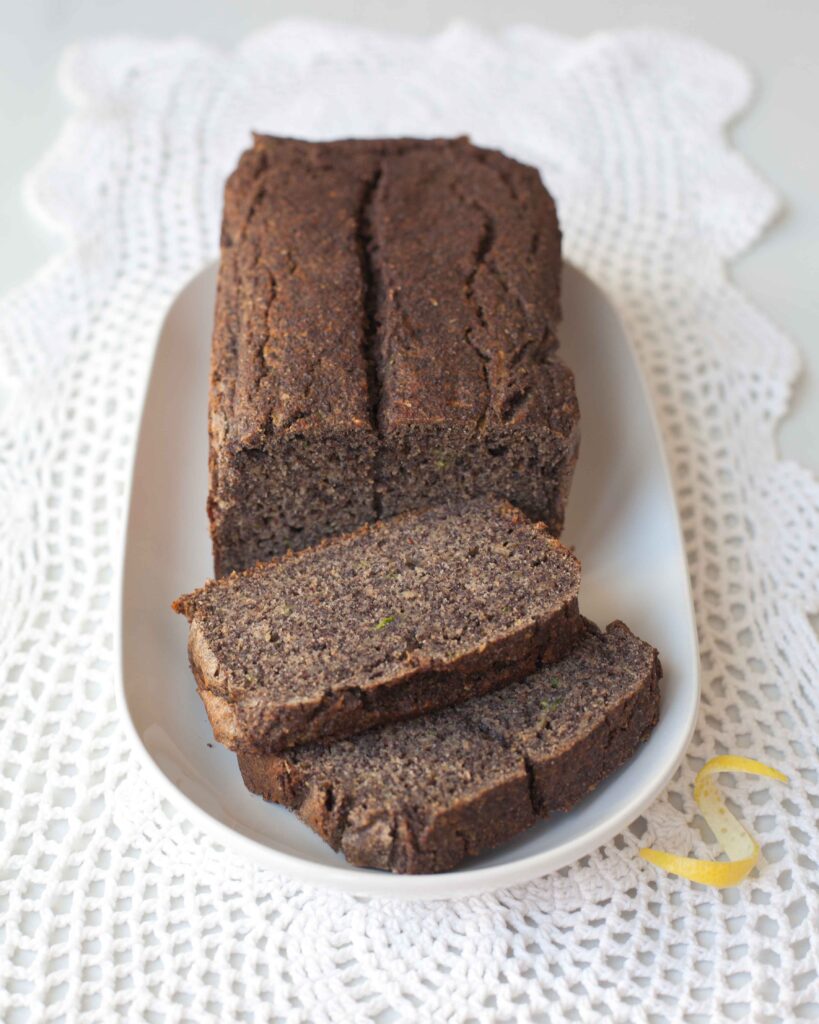
Moist Poppy Seed Zucchini Bread
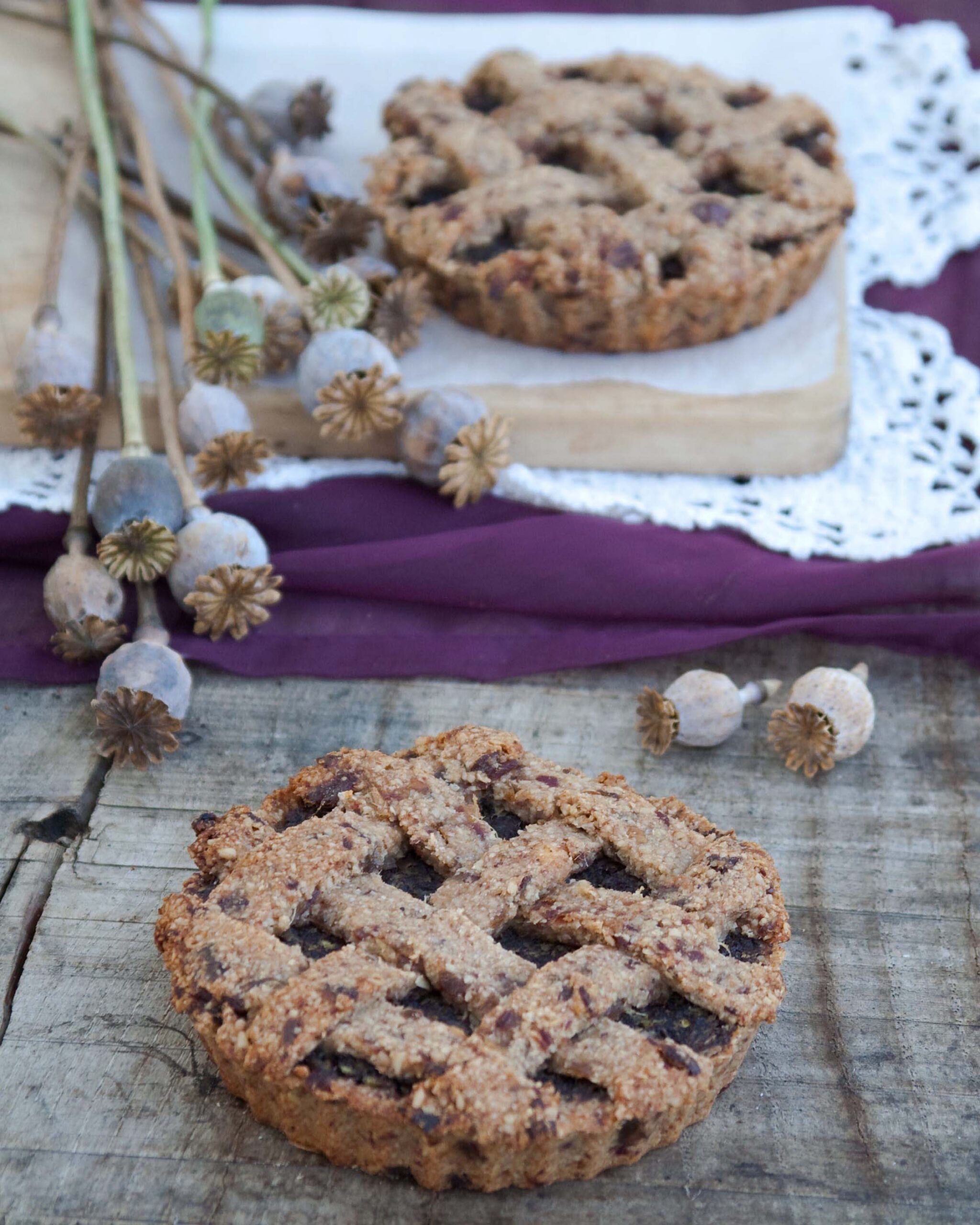
Zucchini and Poppy Seed Pie